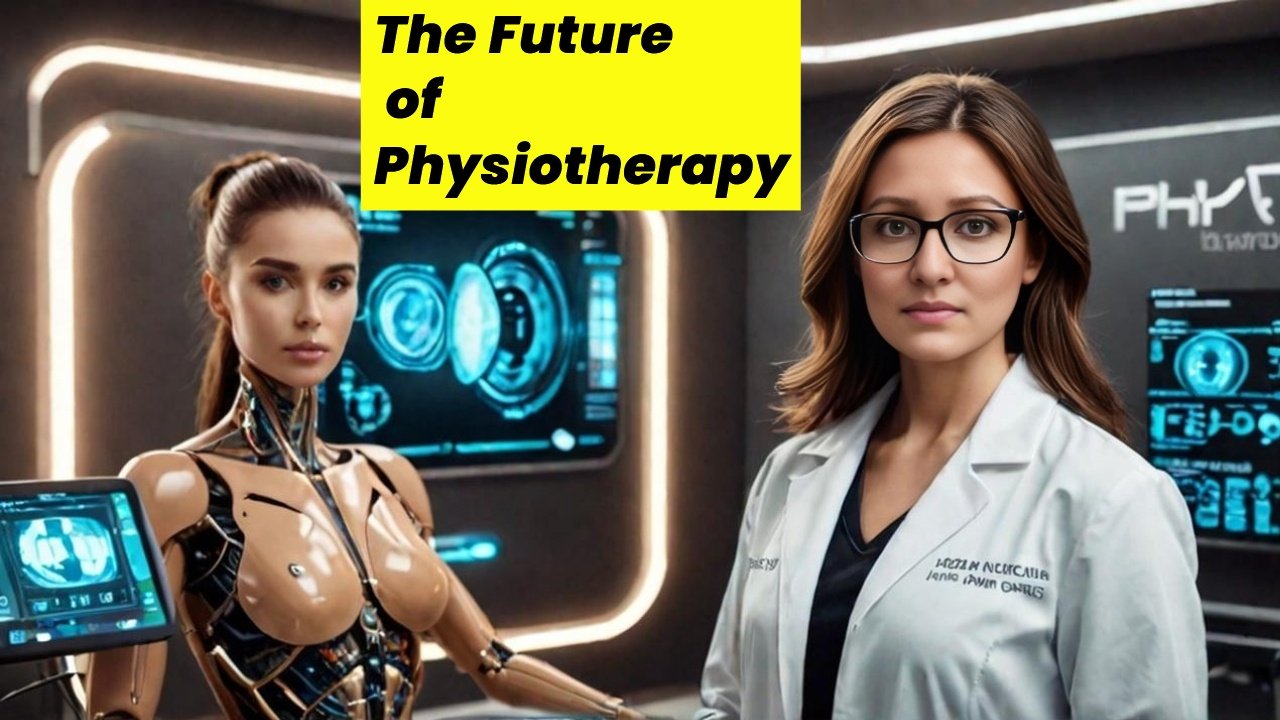
Technological Advancements in Physiotherapy
Technological advancements are fundamentally reshaping the landscape of physiotherapy, ushering in an era characterized by innovative solutions that enhance patient care. One prominent area is the proliferation of telehealth services, which have made physiotherapy more accessible than ever before. Patients can now consult with physiotherapists from the comfort of their homes, thereby overcoming geographical barriers and reducing travel time. This shift not only facilitates ongoing treatment but also makes it easier for patients to receive regular guidance and support, ultimately fostering improved health outcomes.
Another significant development is the integration of wearable devices in physiotherapy practices. These devices, ranging from smartwatches to specialized fitness trackers, allow for real-time monitoring of a patient’s physical activities and health metrics. Such data can be invaluable in creating personalized treatment plans that cater to the specific needs of each individual. By leveraging this technology, physiotherapists can adjust therapies based on comprehensive evidence, ensuring the most effective interventions are employed.
Furthermore, robotic rehabilitation systems are making waves in therapeutic settings by promoting quicker and more efficient recovery processes. These advanced systems can assist patients with physical exercises, offering guided movements and support that enhance rehabilitation efforts. By providing precise movements and feedback, robotic tools enable physiotherapists to monitor progress with greater accuracy while reducing the risk of injury during physical rehabilitation.
Despite the numerous benefits, the integration of these technologies into traditional physiotherapy practice does present challenges. Practitioners may initially struggle to adapt to new tools and methodologies, facing a learning curve as they familiarize themselves with high-tech solutions. Continuous professional development and training will be essential for practitioners to successfully incorporate technology while maintaining high standards of care. Ultimately, the ongoing collaboration between technology and physiotherapy holds significant promise for the future of patient rehabilitation.
Personalized Treatment Approaches
The landscape of physiotherapy is undergoing a significant transformation as practitioners increasingly adopt personalized treatment approaches. This shift is heavily influenced by advancements in data analytics and an understanding of genetic profiles, which enable healthcare providers to craft tailored rehabilitation programs specific to each patient’s unique needs. The customization of treatment plans not only enhances the recovery process but also aligns with the overall goal of improving patient outcomes.
Recent studies have indicated that therapy designed with the individual characteristics of patients in mind can yield higher success rates compared to traditional, standardized methods. For instance, a case study involving patients recovering from sports injuries showcased individualized rehabilitation plans informed by both biometric data and personal health history. Instead of following a one-size-fits-all protocol, practitioners utilized data analytics to monitor progress and adjust treatment strategies dynamically, which proved instrumental in hastening recovery times and reducing the probability of re-injury.
Furthermore, the role of genetics in physiotherapy is gaining prominence. Understanding genetic predispositions allows for the identification of potential risks and enabling physiotherapists to proactively address these during treatment planning. For example, athletes with specific genetic markers associated with muscle recovery can be provided with tailored interventions that target their unique recovery pathways, leading to more effective rehabilitation outcomes.
The implications of these personalized approaches extend beyond individual patient success; they also hold the potential to optimize healthcare costs. By promoting more effective recovery strategies, personalized physiotherapy may reduce the necessity for prolonged treatment periods and frequent medical consultations, thereby lowering the overall burden on healthcare systems. As personalized treatment continues to evolve, it represents not just a shift in methodology, but an opportunity to redefine the future of physiotherapy.
The Role of Interdisciplinary Collaboration
In contemporary healthcare, the importance of interdisciplinary collaboration is increasingly recognized, particularly within physiotherapy. Physiotherapists frequently encounter patients with complex needs that require a multifaceted approach for effective treatment. This underscores the necessity for physiotherapists to work in unison with various healthcare professionals, including doctors, occupational therapists, and other specialists to optimize patient care.
One significant area where interdisciplinary collaboration proves invaluable is in chronic pain management. Patients suffering from chronic pain often present challenges that cannot be adequately addressed by a single discipline. By integrating the expertise of different healthcare providers, physiotherapists can develop a more comprehensive care plan that encompasses medical, therapeutic, and psychological components, thus enhancing the overall treatment efficacy.
Moreover, during post-operative care, a coordinated effort among healthcare teams can facilitate quicker recovery and rehabilitation. When physiotherapists collaborate with surgeons and nurses, they can ensure that patients receive tailored exercise regimens and education about movement patterns that promote healing and prevent further complications. Such cooperative strategies not only improve outcomes but also empower patients through a sense of shared care and commitment to their recovery journey.
To foster collaboration in healthcare settings, a culture of open communication and mutual respect is imperative. Regular interdisciplinary meetings and joint training sessions can help cultivate interpersonal relationships among professionals, thereby facilitating smoother interactions in clinical practice. Furthermore, engaging patients in discussions about their treatment plans while emphasizing the collaborative nature of their care can also enhance their motivation and adherence to rehabilitation protocols.
Ultimately, the role of interdisciplinary collaboration is essential in physiotherapy, as it significantly enriches the management of complex patient needs, paving the way for improved health outcomes and patient satisfaction.
The Evolving Skill Set of Physiotherapists
As the landscape of healthcare continues to change, physiotherapists are required to adapt their skill sets to meet new challenges and demands. In the foreseeable future, physiotherapy will increasingly necessitate advanced clinical skills that extend beyond traditional practices. This evolution emphasizes the importance of integrating cutting-edge techniques and approaches in treatment protocols, ensuring optimal patient outcomes in a rapidly advancing field.
Equally essential in this paradigm shift is the growing recognition of the value of soft skills. As healthcare becomes more patient-centered, physiotherapists must enhance their communication abilities and empathy levels. These interpersonal skills are crucial for fostering trust and rapport with patients, ultimately leading to better compliance with treatment plans and improved satisfaction with care. As the industry evolves, physiotherapists will find themselves in roles that require active listening, emotional support, and effective communication to address complex patient needs holistically.
Moreover, the advent of new technologies and telehealth services has necessitated ongoing education and training for physiotherapists. Professionals in this field must familiarize themselves with digital platforms and innovative therapeutic tools that can improve accessibility and efficiency. These emerging fields not only enhance the delivery of physiotherapy but also create opportunities for practitioners to reach greater patient populations, particularly in rural or underserved areas where in-person visits may be challenging.
In conclusion, as healthcare systems adapt to new models of care, the role of physiotherapists will expand. Future positions may include specializations in telehealth, digital rehabilitation, or interdisciplinary collaborations. Continuous professional development will be vital as physiotherapists strive to maintain relevance and effectively contribute to patient well-being in a transforming healthcare landscape.
Leave a Reply